
Did Jesus Really Die?
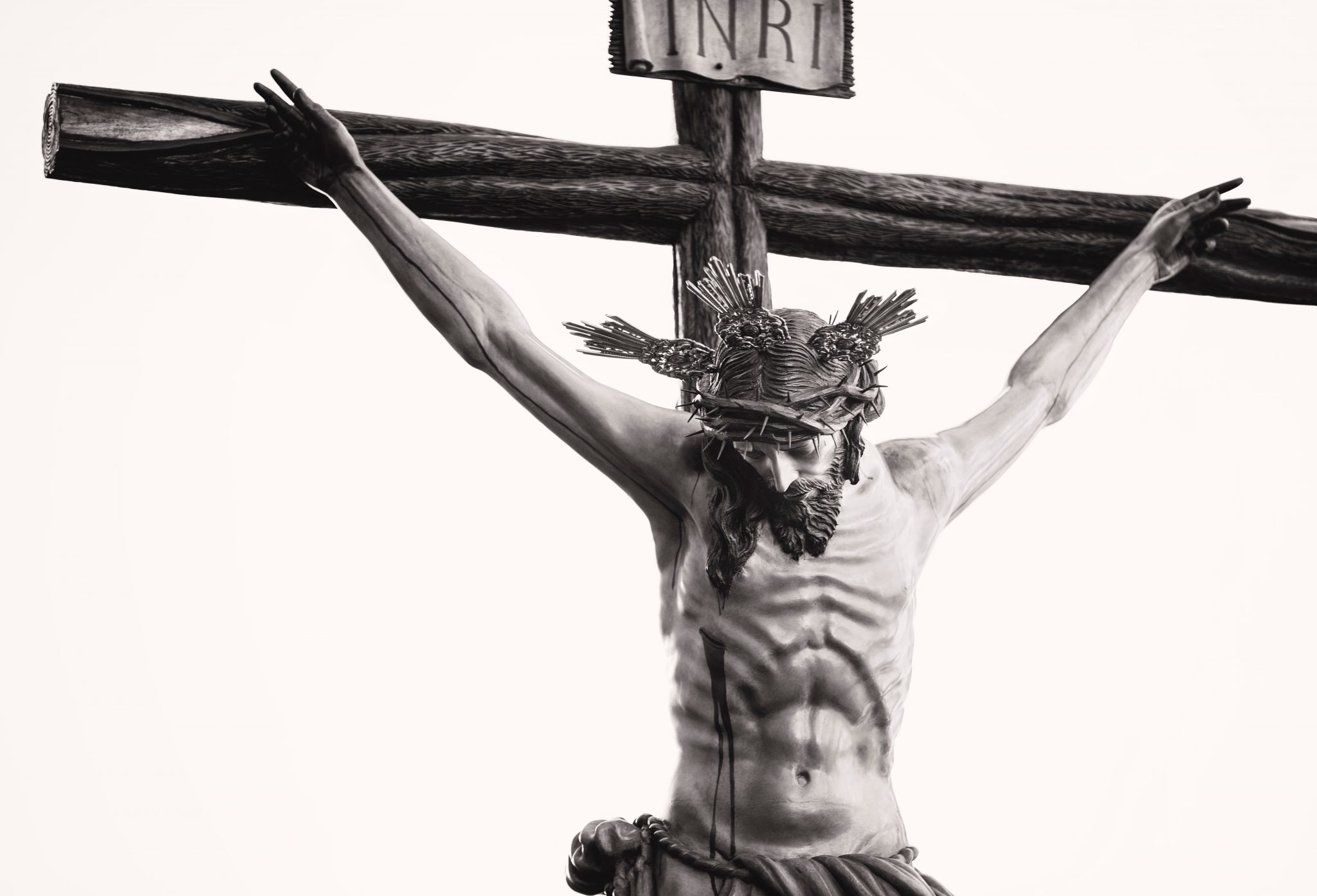
Yes He died! The evidence is there. The Bible and historians have recorded His death.
 Skeptics who do not want to accept His resurrection from the dead will use as an argument that Jesus never died. They will employ several scenarios such as Jesus was drugged to endure the pain, he did not die and thus was never placed in the tomb or walked out of the tomb after it was sealed in spite of his ordeal on the cross. These are laughable and absurd views and go against all evidence.
The Jewish historian Flavius Josephus (AD 38-97) wrote “… Pilate, at the suggestion of the principal men amongst us, had condemned him to the cross, those that loved him at the first did not forsake him; for he appeared to them alive again the third day; …” Tacitus (AD 56 – ca. 117), the Roman historian wrote …” Christus, from whom the name had its origin, suffered the extreme penalty during the reign of Tiberius at the hands of . . . Pontius Pilatus,” According to these historians writing in the First Century Jesus died by crucifixion, the execution method of the day.
All four of the synoptic gospels of the New Testament (Mathew, Mark, Luke and John) describe his death in more detail but in agreement with the secular historical descriptions that Jesus died on the cross.
Another evidence though indirect is just as weighty. Roman army executioners were experts and efficient. For someone not to die when given over to them for crucifixion would not be possible. This is because for soldiers following orders to carry out this deed failure was not an option. To fail meant that they would have suffered a similar fate.
This is why the spear was thrust into the side of Jesus’ dead body on the cross piercing both the heart and the lungs. The discharge of blood from the heart was a sure sign of death and water in the pleural sack surrounding the lungs indicated pleural effusion, a sign of asphyxiation. This is why they did not break his legs, as was the custom, to hasten death. Jesus was dead.
However, Jesus’ death was unlike any other. He wasn’t a martyr who died for his faith. If he were a martyr he would be like many thousands of others who have been killed because of their faith in Him. Instead he was and is the faith and died according to plan. He was a sacrifice, much like the sacrificial lamb of the Old Testament Hebrews as atonement for sin. Jesus died with a purpose, a purpose God destined before the creation of the world (Eph.1: 4-6) for us to be holy and blameless in his sight. (See the blog on precreation)
His death was not the end but a beginning to fulfill the purpose to overcome death and pave the way for those who would accept Jesus as their savior. They would not perish but have everlasting life. (Jn. 3: 16) Only through Jesus Christ would God find one holy and blameless. Jesus made it possible.
Lee Southard
February 16, 2017